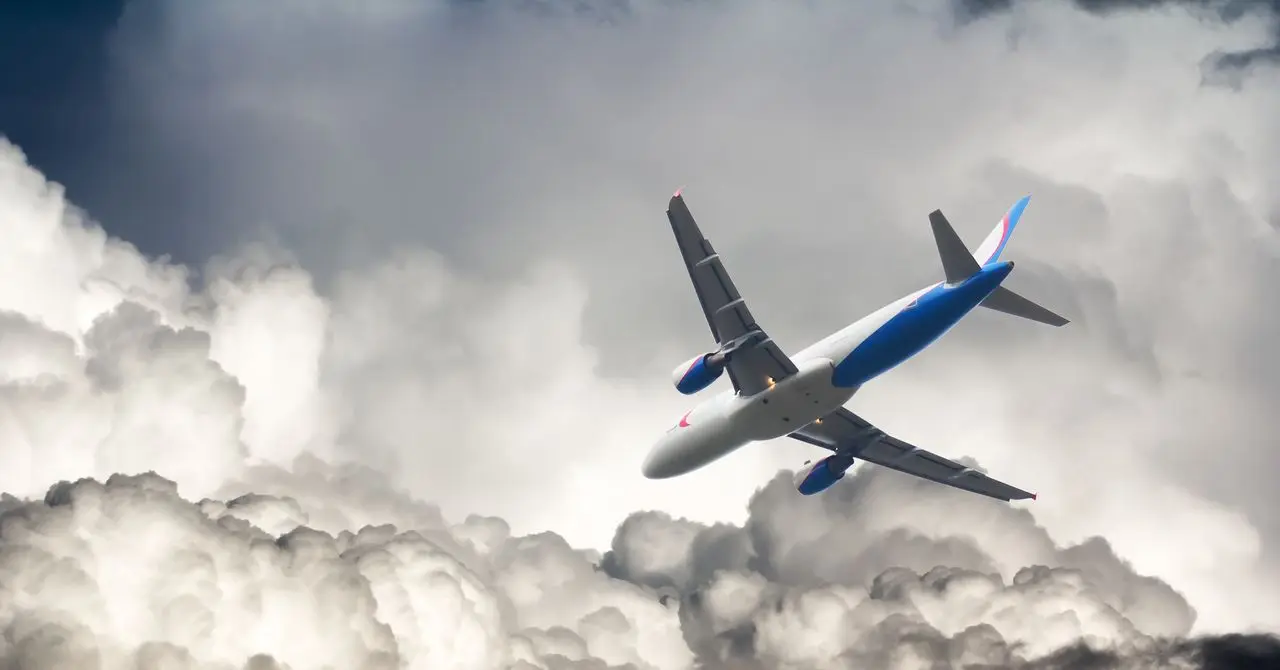
In the early 1500s, an Italian polymath named Leonardo da Vinci took a good crack at exactly the phenomenon that makes nervous fliers clutch their airplane seats in fear and flight attendants push their carts back to the galleys with haste: turbulence.
Da Vinci was fascinated by swirling, chaotic eddies of water, movements so complex that he made hundreds of drawings of his observations. Why, exactly, did water—any fluid, really, be it atmospheric air or blood in the heart—move in that way?
Now the world has ChatGPT and self-driving cars and solar farms, and it still doesn’t exactly know how turbulence works. “It’s the hardest remaining problem in classical physics, and it’s one we need to fly through,” says Michael Murillo, a professor of theoretical and computational physics at Michigan State University.