Parking penalties are to be capped at £100 as Andy Burnham cracks down on so-called "cowboy" companies.
Motorists will also be given 10 minutes to leave car parks without facing a penalty once their paid-for time is up, under new legally binding rules due to come into force by the end of the year.
The Private Parking Code of Practice will give drivers the right to have charges cancelled on appeal for honest mistakes.
AdvertisementAdvertisementAdvertisementAdvertisementThese include a breakdown in a car park, a medical emergency or a broken ticket machine, as well as stopping briefly to check directions and issues outside the driver's control.
Mr Burnham said: "Being a few minutes late back to your car or typing one digit of your numberplate wrong shouldn't end with a hefty fine landing on your doormat.
"These charges leave people feeling ripped off and out of pocket, so I'm putting a stop to them.
"We are introducing clearer rules, longer grace periods and lower charges for genuine mistakes, while going after the deliberate scams that rip drivers off."

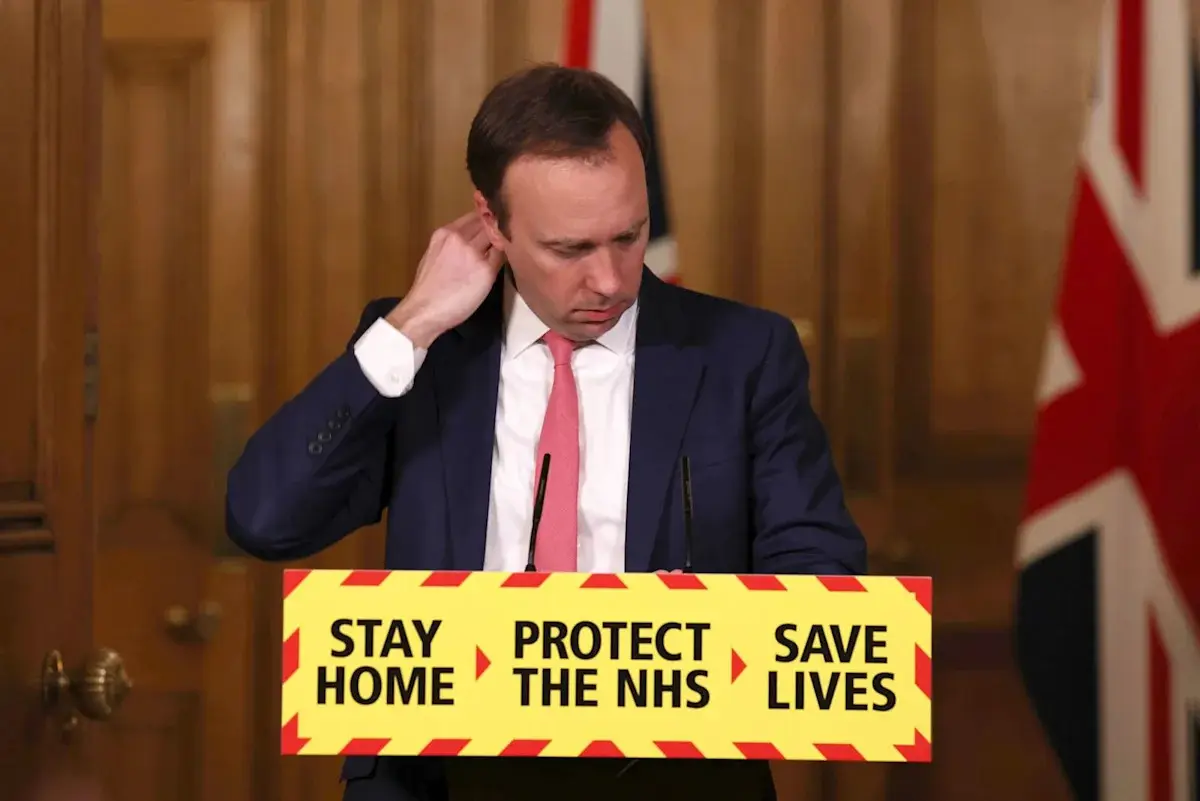
Andy Burnham said the new parking code would give drivers longer grace periods and reduce charges for honest mistakes - AFP/Getty/Jeff J Mitchell
Under the code, drivers who make mistakes such as forgetting parking permits, entering a vehicle registration wrong or forgetting to confirm it in a parking machine, will face a maximum charge of £20, the Ministry of Housing, Communities and Local Government said.
AdvertisementAdvertisementAt present, Westminster council, for example, issues penalties of up to £130. These increase to £195 for a single contravention if not paid within 14 days.
Simon Williams, the RAC's head of policy, said the code was a "step in the right direction" to protect drivers from the practices of some private parking companies, but "not the leap" the motoring services company had been campaigning for.
He said: "We've long called for the banning of debt recovery fees being added on top of parking charge notices and a single independent appeals body to replace the two industry-run ones, but neither have been included, which is disappointing.
"That said, the fact we finally have a code seven years on from the Private Parking Code of Practice Act becoming law is positive."
AdvertisementAdvertisementA similar parking code of practice was issued in 2022 by the Conservative government. The parking industry robustly challenged it, prompting that set of rules to be withdrawn almost straight away.
Yet over-aggressive parking enforcement has been one of the nation's biggest bugbears for many years.
In 2017, a Scottish woman was given a £24,500 penalty after ignoring more than 200 penalties, while in 2025 a nurse was taken to court by a private parking company after she "repeatedly" took more than five minutes after entering the car park to buy a ticket.
Will Hurley, the chief executive of the International Parking Community trade body, said: "I genuinely hope the new code is a good thing for the industry. We've put so much work into making sure that the Government understands the importance of it.
AdvertisementAdvertisement"For years I've been trying to change this mindset within the sector," he added.
"Instead of looking for a reason to issue a charge, or instead of looking for a reason to reject an appeal [against a parking penalty], look for a reason not to issue a charge, or look for a reason to cancel a parking charge on appeal. And it's just a slightly different mindset that I genuinely think makes a difference."
A record 16.9 million parking tickets were handed out by private businesses in the 12 months to the end of March, according to analysis of government data by the Press Association and the RAC Foundation.
That is up from 14.4 million the year before, and 6.8 million in 2018-19. The parking industry attributed the rise to an increase in the number of car parks being managed.
AdvertisementAdvertisementEach ticket can be up to £100, meaning the total cost to drivers may be more than £4.6m per day at the current rate.
Alison Tooze, chief policy officer at the British Parking Association, said the new code was an "an important step forward for motorists, communities and responsible parking operators".
"Overall, the code strikes the right balance between stronger protections for motorists and effective parking management, helping keep communities, businesses and local economies moving," she said.

Jack Cousens, the head of roads policy at the AA, said: "After seven long years, drivers finally have something which could offer them better protections against the worst private parking operators. For too long, many private parking operators have aggressively attacked drivers to the point where many simply pay up if they receive a charge from one on the doorstep.
AdvertisementAdvertisement"While this is a good first step, there is still a huge amount of work to do, such as tackling the scourge of debt recovery fees. Ultimately, we need to stop charges being issued in the first place, especially where the driver has done nothing wrong."