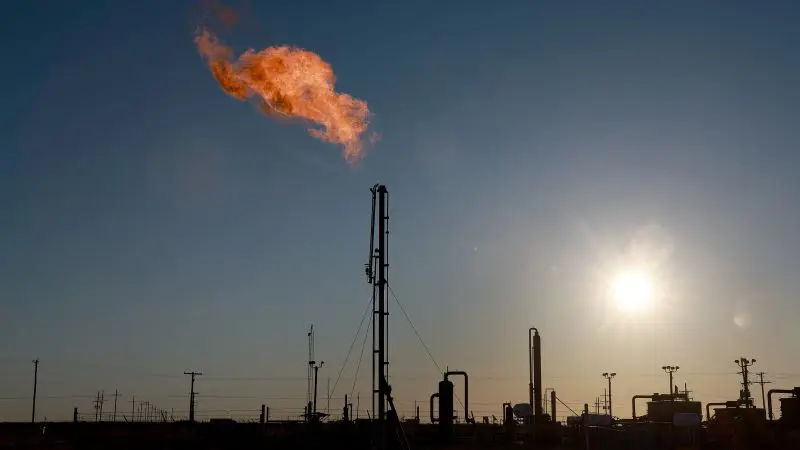
Every day, two satellites crisscross the planet from north to south around 16 times, taking hundreds of photos. They’re hunting something invisible and odorless, but which has an outsized impact on our lives: methane.
The satellites are run by Carbon Mapper, a non-profit environmental organization that patrols the globe remotely looking for methane “super-emitters,” the small number of sources — from oil and gas operations to landfills — that make up a big percentage of total methane pollution.